How To Prepare Foreign Documents for Polish Citizenship Application
Applying for Polish citizenship is an exciting step, but for foreigners it can also be confusing. One of the biggest challenges is ensuring that all your foreign documents are properly recognized by Polish authorities. Without correct translations or certifications, even the most complete application can face delays or rejection. This guide explains exactly how to prepare your foreign documents, including when sworn translation is needed and common pitfalls to avoid.
What This Means
Foreign documents, such as birth certificates or diplomas, are issued outside Poland and often do not meet Polish legal standards on their own. To make them valid for citizenship applications, they must:
- Be legally recognized, often through an apostille or legalization
- Be translated into Polish by a sworn translator
- Include all official stamps, signatures, and formatting
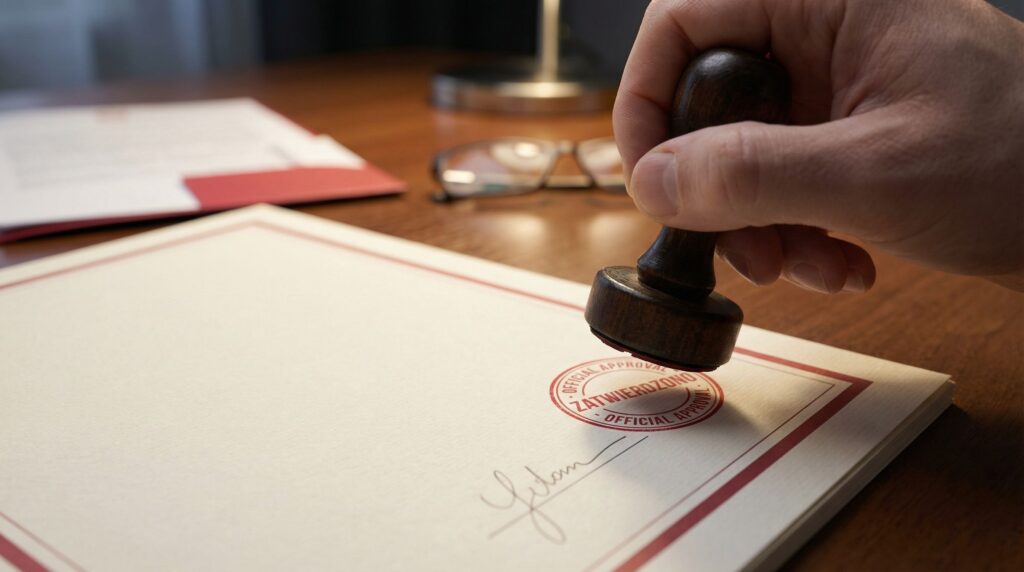
A sworn translation is not just a literal translation; it is an official certification by a translator authorized by the Polish Ministry of Justice, accepted by offices and courts across Poland.
Who Needs This In Poland
You will need sworn translations if you are a foreigner applying for citizenship and submitting documents from another country. Typical situations include:
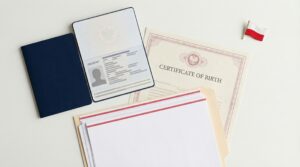
- A foreign birth certificate for yourself or your parents
- Marriage certificate or divorce decree obtained abroad
- Academic diplomas, transcripts, or professional certifications
- Criminal record certificates from all countries where you have lived
- Documents proving legal residence, employment, or military service abroad
In short, any document issued outside Poland that is required by the Polish Office for Foreigners or Voivodeship Office generally needs a sworn translation.
Step By Step Process
Step 1: Collect All Original Documents
Gather official documents from your country of origin. Examples include:
- Birth certificate with full legal names and parent information
- Marriage certificate showing spouse names and date
- University diploma and transcripts
- Criminal record certificates from local police or justice authorities
Ensure each document is an official copy; photocopies alone are usually insufficient.
Step 2: Check Legalization or Apostille Requirements
Some documents must be legalized or carry an apostille. The requirements depend on the country of origin:
- Countries in the Hague Apostille Convention: generally only require an apostille
- Other countries: may need legalization through the embassy of Poland
Failing to legalize or apostille documents is one of the most common reasons applications are delayed.
Step 3: Submit Documents for Sworn Translation
Take or send your original documents to a sworn translator in Poland. The translator will provide:
- An exact, certified translation into Polish
- A sworn translator’s stamp and signature recognized by Polish authorities
Examples of correctly translated documents include:
- Birth certificate: includes full names, date, and place of birth
- Diploma: includes original grading scale and degree title
- Criminal record: includes official stamp and issue date
Step 4: Review Translations Carefully
Check that all names, dates, and stamps match the originals. Even minor errors, like a typo in a birth date or wrong surname spelling, can lead to rejection.
Step 5: Submit to Authorities
Once translations are ready, submit the original documents along with sworn translations to your local Voivodeship Office, municipal office, or Polish consulate if applying from abroad.
Required Documents
Common documents needed for citizenship applications include:
- Birth certificate (applicant and sometimes parents)
- Marriage certificate or divorce decree if applicable
- Academic diplomas, professional certifications, or transcripts
- Criminal record certificates from every country you have lived in
- Proof of legal residence or employment abroad
- Military service documents if required
Always verify specific requirements with your local authority, as rules may vary by region and personal circumstances.
Common Mistakes Foreigners Make
- Submitting translations without certification: Self-translations are not accepted.
- Skipping apostille or legalization: Missing legal certification leads to rejection.
- Incorrect document copies: Some offices require notarized or official copies.
- Errors in translation: Small errors in names, dates, or stamps are critical.
- Delaying translations: Waiting until the last minute can cause unnecessary delays.
Frequently Asked Questions
Do I need a sworn translation for every foreign document?
Yes, most official documents required for citizenship, including civil, legal, and academic documents, must be translated by a sworn translator.
Can I submit translations I did myself or online?
No, only translations done and certified by a sworn translator authorized in Poland are accepted by government authorities.
How long does a sworn translation take?
It depends on the number and complexity of documents. Typically, professional services can translate documents in a few days, but complex cases with multiple certificates may take longer.
What happens if a translation has an error?
Even small errors can delay or invalidate your application. Authorities may request corrected translations, prolonging the process.
Conclusion
Proper preparation of foreign documents is essential for a successful Polish citizenship application. Following legalization requirements, using sworn translations, and carefully reviewing each document reduces the risk of delays and increases the chance of approval on the first submission.
If you are preparing your foreign documents for Polish citizenship, Sworn Translator Warsaw can help. Our certified translators ensure every document is accurately translated, officially certified, and ready for submission to Polish authorities, giving you peace of mind and saving time.