Do You Need a Sworn Translator for a Residence Card Application in Warsaw
Introduction
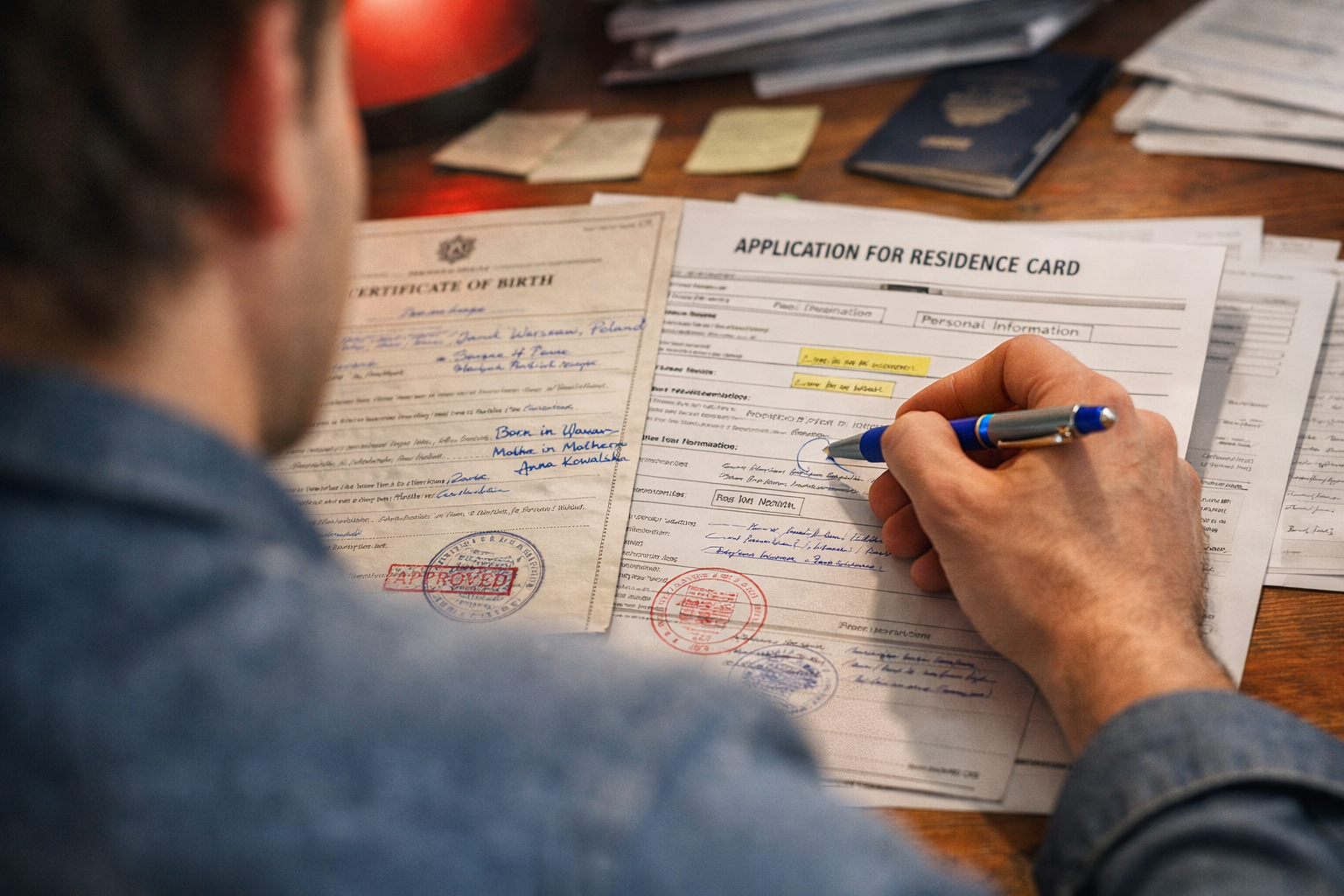
Applying for a residence card in Warsaw is one of the most important administrative steps for foreigners living in Poland. The process involves submitting official documents to the Voivodeship Office, and every detail matters.
One common point of confusion is translation. Many applicants are unsure whether their documents need to be translated, and if so, what type of translation is accepted. Submitting incorrect translations is a frequent reason for delays and requests for corrections.
Understanding when a sworn translator is required can help you avoid unnecessary complications and keep your application on track.
What This Means
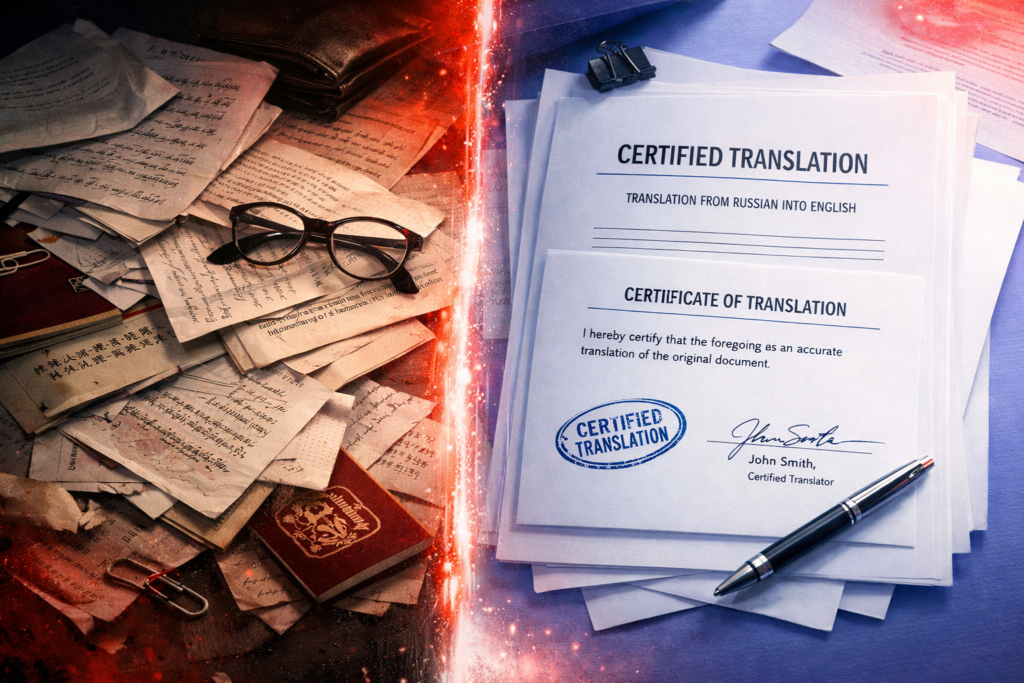
In Poland, a sworn translator is a professional authorized by the Ministry of Justice to produce legally valid translations. These translations are officially certified and include a signature, seal, and a formal statement confirming accuracy.
For residence card applications in Warsaw, authorities require that foreign language documents be translated into Polish in a legally recognized form. This means that standard translations, even if accurate, are not sufficient.
A sworn translation ensures that the document has the same legal value as the original and can be accepted by public institutions.
Who Needs This In Warsaw
If you are applying for a residence card at the Mazovian Voivodeship Office in Warsaw and your documents are not in Polish, you will most likely need sworn translations. This applies to:
- Foreign employees applying for temporary residence and work permits
- International students applying for temporary residence
- Family members applying for residence based on family reunification
- Entrepreneurs registering their stay in Poland
In practice, most foreigners submitting civil or legal documents issued abroad will need sworn translations for their application to be processed correctly.
Step By Step Process
Step One Collect Required Documents
Prepare all documents required for your residence card application. This depends on your purpose of stay but usually includes identity and supporting documents.
Step Two Identify Non Polish Documents
Review your documents carefully and mark those issued in a foreign language. These are the ones that may require sworn translation.
Step Three Request Sworn Translation
Send your documents to a sworn translator registered in Poland. The translator prepares certified translations that meet official standards.
Step Four Submit to the Voivodeship Office
Submit both the original documents and their sworn translations to the Mazovian Voivodeship Office in Warsaw.
Step Five Respond to Any Requests
If the office finds missing or incorrect translations, they may issue a request for completion. Proper sworn translations reduce the risk of this step.
Required Documents
The exact list depends on your case, but the following documents commonly require sworn translation in Warsaw residence card applications
- Birth certificate
- Marriage certificate
- Foreign education diplomas
- Employment contract or employer declaration
- Proof of income or financial stability
- Proof of accommodation
- Civil status documents issued outside Poland
Even if some supporting documents are accepted in English in rare cases, this should not be assumed. The safest approach is to prepare sworn translations in advance.
Common Mistakes Foreigners Make
Using Regular Translations
Submitting translations that are not certified by a sworn translator is one of the most common reasons for delays.
Assuming English Is Always Accepted
Some applicants believe that English documents do not need translation. In most official procedures in Warsaw, this assumption is incorrect.
Ignoring Full Document Translation
Authorities expect a complete translation, including stamps, signatures, and official notes. Partial translations may be rejected.
Submitting Inconsistent Information
Differences in spelling of names or dates between documents and translations can raise concerns and slow down processing.
Delaying Translation Until Submission
Waiting until the last moment often leads to rushed or incomplete documentation. This increases the risk of receiving a formal request for corrections.
Conclusion
For residence card applications in Warsaw, sworn translation is a standard requirement rather than an exception. Any foreign-language document used to verify your identity, status, or eligibility must usually be translated into Polish by an authorised professional.
Preparing these translations in advance helps ensure that your application proceeds without unnecessary interruptions.
If you are applying for a residence card in Warsaw and need legally valid translations, Sworn Translator Warsaw can assist with accurate sworn translations that meet official requirements. Working with a qualified professional helps you avoid delays and submit your documents with confidence.

Frequently Asked Questions
Question One
Is sworn translation always required for a residence card in Warsaw
In most cases, yes. Any official document in a foreign language submitted to the Voivodeship Office usually requires a sworn translation into Polish.
Question Two
Can documents be translated outside Poland
Yes, but only if the translation is certified in a way that is legally recognized in Poland. In practice, using a sworn translator registered in Poland is the safest option.
Question Three
What happens if I submit documents without sworn translation
The office will typically issue a request to provide correct translations. This delays the process and may extend the waiting time for your residence decision
Contact us Call us+48 514 302 221 Monday – Friday
EmailBiuro@sworntranslatorwarsaw.pl
Officesul. Krucza 16/22 , Lokal- 41100-526 Warszawa