
The Strategic Guide to Sworn Translations for Polish Student Visas
Introduction
Securing a student visa or a residency permit in Poland is a race against the clock. Between university admission deadlines and the strict appointment windows at the Voivodeship Office, there is very little room for administrative error. For many foreigners, the biggest bottleneck is not the application itself, but the preparation of foreign documents for Polish officials.
Understanding the specific requirements for your academic and personal papers is the difference between starting your semester on time or facing a sudden rejection at the submission window.
The Role of Certified Documents in the Visa Process
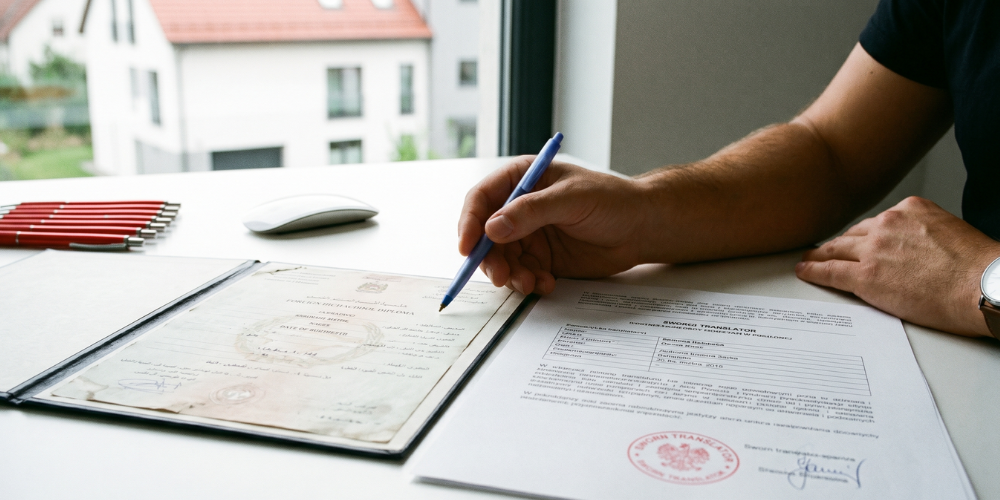
When dealing with consulates, many applicants are unsure if Do Embassy Documents Need Sworn Translation in Poland before their scheduled interview. In the context of a student visa, a sworn translation transforms your foreign diploma into a legally binding document that a Polish official can officially accept into the state record. Without the mandatory seal of a translator registered with the Polish Ministry of Justice, your application is technically incomplete.
In the context of a student visa, a sworn translation does more than just change the language. It transforms your foreign diploma or bank statement into a legally binding document that a Polish official can officially accept into the state record. Without the mandatory seal and signature of a translator registered with the Polish Ministry of Justice, your application is technically incomplete.
The Critical Timeline for Students and Residents
Timing is the most common reason applications fail. In Poland, many official documents have a shelf life.
- Pre Arrival Phase: You must have your high school or university diplomas translated before you even apply for your visa. This is because the Polish consulate requires the translated versions to verify your eligibility for studies.
- The 90 Day Rule: For residence permits, bank statements and certificates of enrollment are often expected to be no older than three months. If you translate these too early, they may be rejected by the time your appointment at the office in Warsaw arrives.
- The Foundation Document: One of the first things you should prepare is your birth record. You should verify Do You Need a Sworn Translation for a Birth Certificate in Poland? early on, as this document is essential for almost every long term residence procedure.
Academic Nuances That Require Expertise
Translating academic documents is more complex than translating a birth certificate. Polish universities look for specific terminology that matches their internal standards.
- Grading Scales: Different countries use different scoring systems. An expert translator knows how to present these clearly so the Polish admissions department can accurately calculate your GPA.
- Course Descriptions: For those transferring credits, the translation of the supplement or transcript must be precise to ensure you are not forced to repeat subjects you have already completed.
- Apostille Verification: We often see students arrive with translations but no apostilles. In Poland, the translation should ideally be performed after the apostille is attached so the translator can also certify the authenticity of that legalizing stamp.
Verification Checklist for Your Documents
Before you visit the office on Marszałkowska Street or any other government building, ensure your documents meet these criteria:
- Completeness: Every page of the original must be present including the back of the diploma where stamps are often located.
- Identity Match: The spelling of your name on the translation must match your passport exactly. Even a single letter difference can cause a rejection.
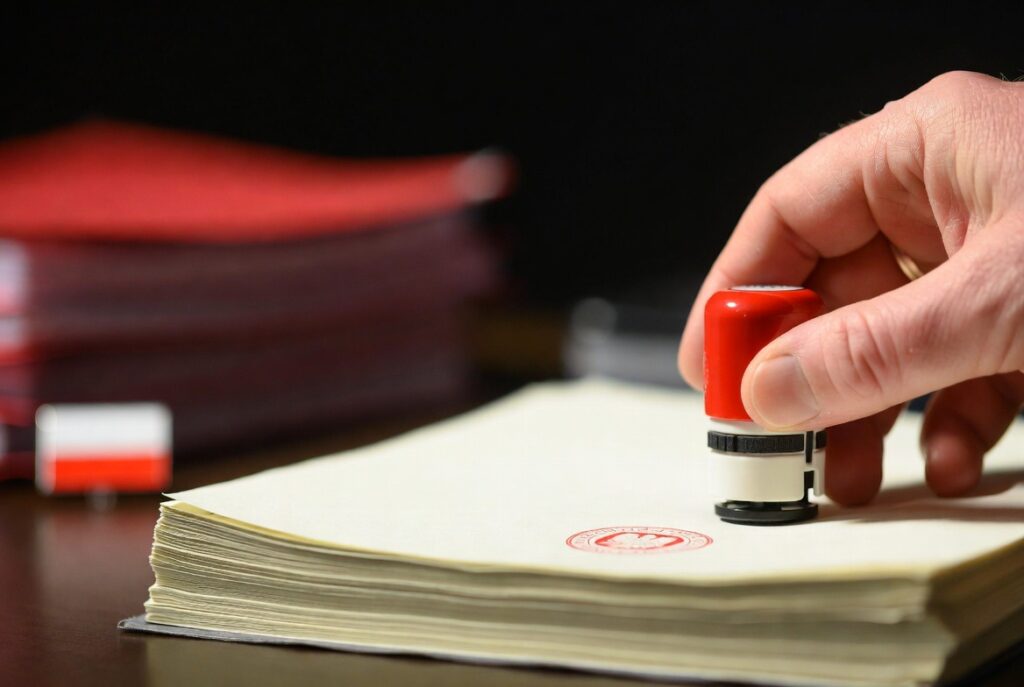
- The Correct Seal: Ensure the translator is currently active on the official list provided by the Polish Ministry of Justice.
- Physicality: Most Polish officials still prioritize the physical document with the original ink stamp over a digital printout.
Conclusion
The transition to life in Poland is a major milestone that should not be derailed by paperwork. By focusing on the timing of your translations and the specific requirements of the Polish education system, you can navigate the bureaucracy with confidence. A well prepared document folder is your best tool for a stress free move. As your studies progress, you should also investigate Do You Need a Sworn Translator for a Residence Card Application in Warsaw to prepare for your second year in the country.
Frequently Asked Questions
Can I translate my documents myself if I speak Polish?
No, Polish law is very clear on this matter. Only a certified sworn translator or a consul has the legal authority to certify documents for use in official visa or residence proceedings.
Should I translate my birth certificate before coming to Poland?
Yes, this is highly recommended. Your birth certificate is required for the Karta Pobytu application and having it ready saves you from trying to source documents from your home country while already living abroad.
What happens if there is a mistake on the translation?
If a name or date is incorrect, the immigration office will likely issue a call to correct the formal defects. This can add several weeks to your processing time, which is why working with a specialized service is vital.
If you are currently gathering your paperwork for a Polish student visa or a residency permit, Sworn Translator Warsaw provides the expertise you need. We understand the local requirements and the high stakes of your application. Contact us for a professional review of your documents and ensure your path to residency is smooth and successful.
Which specific document is currently causing you the most concern for your Polish visa application?