Why Global Migration Is Increasing Demand for Sworn Translators
Introduction
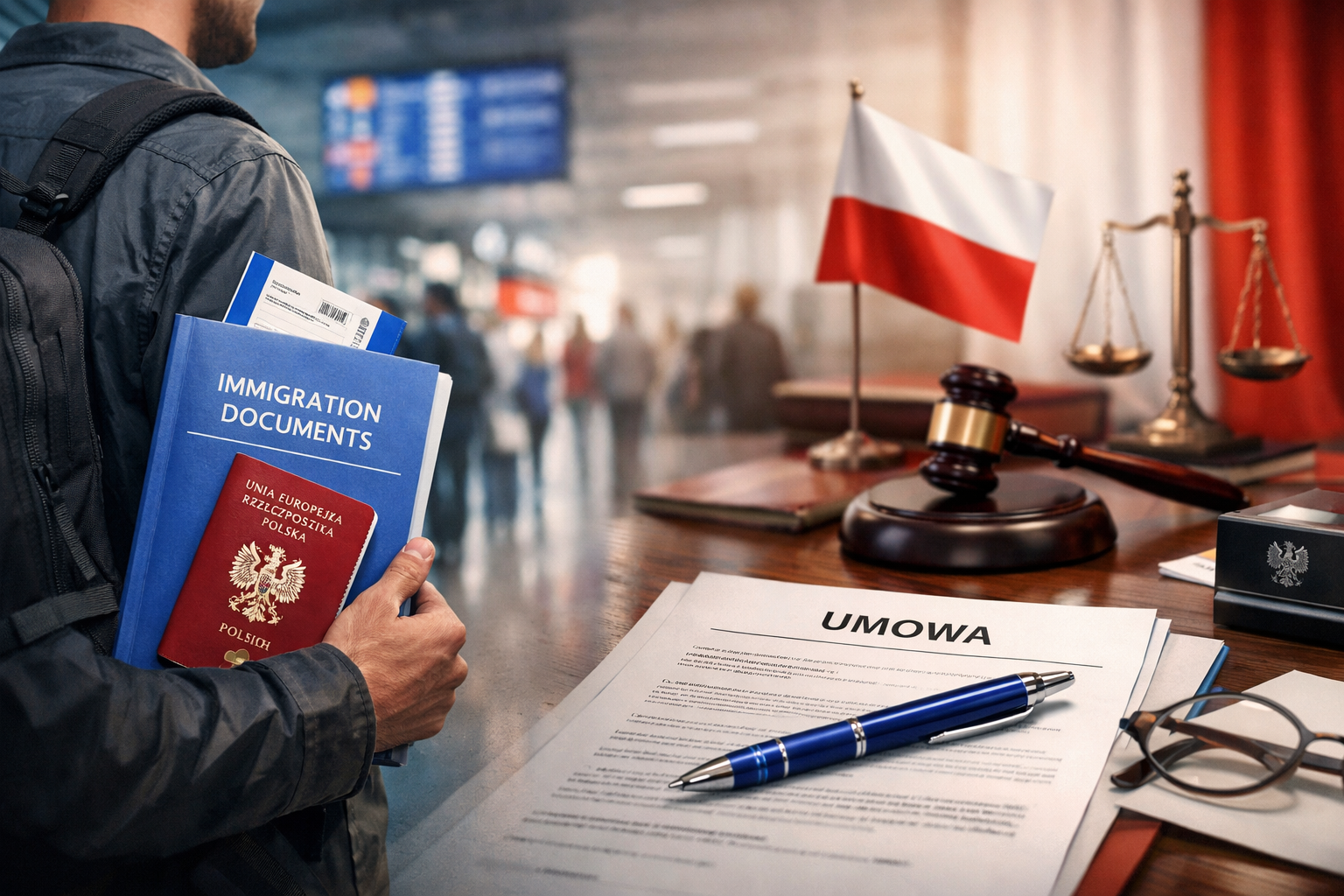
Moving to a new country brings opportunity, but it also brings paperwork. For foreigners in Poland, one of the most common challenges is understanding how to prepare documents for official use. Many applications are delayed or rejected simply because documents are not translated correctly.
At the same time, global migration is rising. More people are studying, working, and settling abroad than ever before. This has created a growing need for sworn translators who can produce legally valid translations accepted by Polish authorities.
Understanding why this demand is increasing helps you avoid mistakes and navigate administrative processes with confidence.
What This Means
Global migration refers to the movement of people across countries for work, education, family reunification, or long term residence. As more people relocate, they bring important documents issued in different languages.
Polish institutions require that official documents be submitted in Polish. This is where sworn translation becomes essential.
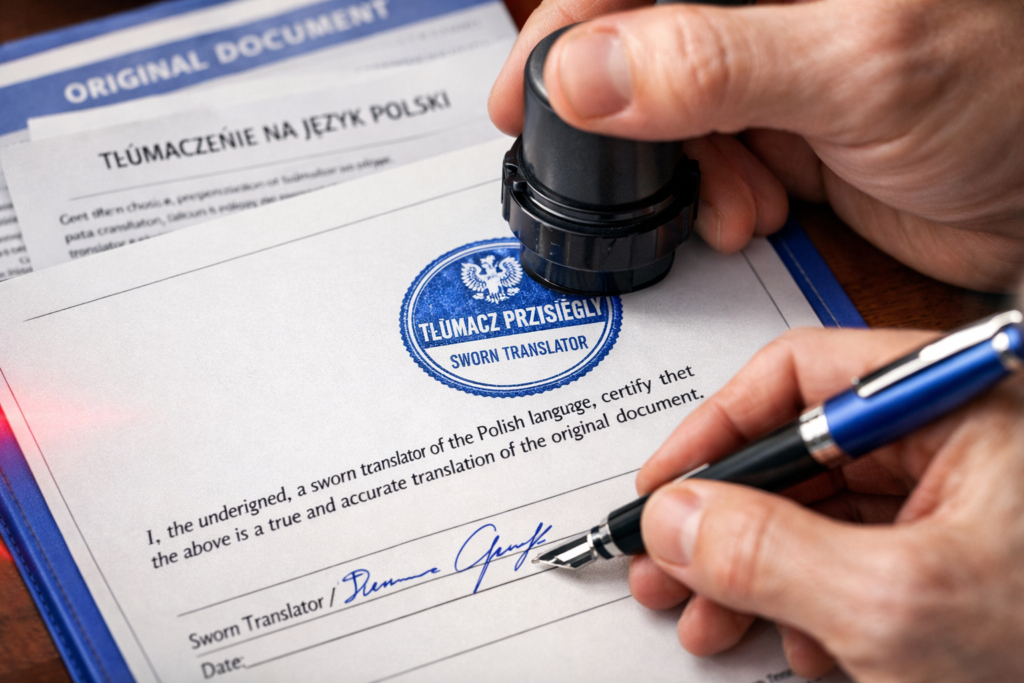
A sworn translator in Poland is a professional authorized by the Ministry of Justice to produce certified translations. These translations are legally recognized and include a signature and official seal.
In simple terms, a sworn translation turns your foreign document into a version that Polish authorities can legally accept.
Who Needs This In Poland
The demand for sworn translators is directly linked to the growing number of foreigners dealing with Polish administration.
You may need sworn translation if you are:
Applying for a residence permit
Residence card applications require documents such as passports, birth certificates, and proof of income. If these are not in Polish, they must be translated.
Starting a job
Employers may request translated diplomas, certificates, or background documents before hiring.
Enrolling in a university
Educational institutions often require certified translations of academic records and diplomas.
Registering a business
Foreign entrepreneurs must submit official documents translated into Polish for registration and compliance.
Handling legal matters
Court documents, contracts, and notarial acts must be translated by a sworn translator to be valid.

Step By Step Process
Understanding the process helps reduce stress and avoids unnecessary delays.
Step One Document review
You provide your documents to a sworn translator. They check whether the documents are complete and suitable for translation.
Step Two Translation
The translator prepares a precise and accurate translation that reflects the original document.
Step Three Certification
The translated document is signed and stamped by the sworn translator. This confirms its legal validity.
Step Four Submission
You submit the certified translation along with the original document to the relevant authority.
Step Five Verification
Authorities may verify the translation. If everything is correct, your application proceeds.
Required Documents
The exact requirements depend on your situation, but common documents include:
- Birth certificates
- Marriage certificates
- Educational diplomas and transcripts
- Employment contracts
- Criminal record certificates
- Passports and identification documents
- Medical certificates
- Financial statements
Each of these documents may need a sworn translation before submission.
Common Mistakes Foreigners Make
Even small errors can lead to delays or rejections. Here are the most frequent issues:
Submitting untranslated documents
Polish authorities generally do not accept documents in foreign languages.
Using non certified translations
Regular translations are not legally valid for official procedures.
Incomplete documentation
Missing pages or unclear scans can result in rejection.
Last minute translation requests
Sworn translation takes time, especially for complex documents.
Inconsistent information
Differences between original documents and translations can raise concerns during verification.
Conclusion
Global migration is increasing the number of people who need to navigate foreign legal systems. In Poland, this has led to a growing demand for sworn translators who can ensure documents meet strict legal standards.
For foreigners, understanding when and why sworn translation is required is essential. It helps prevent delays, reduces stress, and ensures your applications are processed smoothly.
If you are preparing documents for official use in Poland, working with a qualified sworn translator is one of the most important steps you can take.
Sworn Translator Warsaw provides certified translations that meet legal requirements and are accepted by Polish authorities. Whether you are applying for residence, studying, or starting a new job, professional support can save time and prevent costly mistakes.
Contact Sworn Translator Warsaw to ensure your documents are accurate, compliant, and ready for submission.
Frequently Asked Questions
Question One
Do all documents need sworn translation in Poland?
Most official documents submitted to government offices must be translated by a sworn translator. Exceptions are rare and depend on the authority.
Question Two
Can I translate documents myself?
No. Self translations are not accepted for legal or administrative purposes in Poland.
Question Three
How long does sworn translation take?
It depends on the document length and complexity. Simple documents may take one to two days, while larger files require more time.