Why Every Foreigner in Poland Needs a Sworn Translator
Introduction
Moving to Poland for work, study, or long term residence involves more than relocation. It requires dealing with administrative systems that depend heavily on formal documentation. Many foreigners quickly discover that standard translations are not enough when submitting documents to universities, government offices, or legal institutions.
Even when documents are correctly translated in terms of language, they may still be rejected if they are not officially certified. This creates confusion, delays, and repeated submissions that can slow down important processes such as visa applications, residence permits, employment contracts, or academic enrollment.
This article explains why sworn translators are essential in Poland, when they are required, and how the process works in practice. It also clarifies common mistakes and how to avoid unnecessary administrative setbacks.
What This Means
A sworn translation in Poland is an officially certified translation performed by a translator who is authorized by the Ministry of Justice. This type of translation carries legal validity and can be submitted to public institutions such as immigration offices, courts, universities, and government agencies.
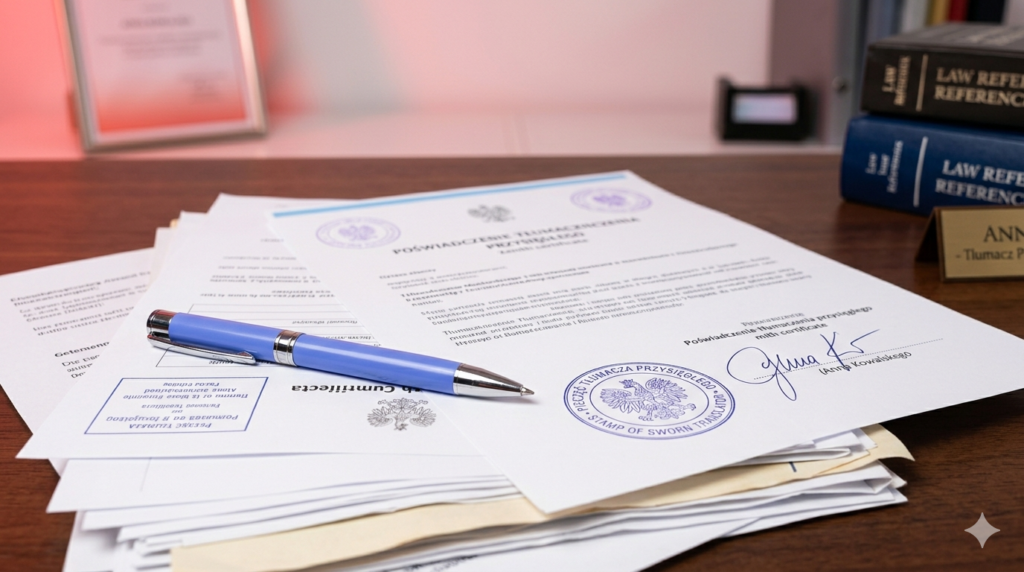
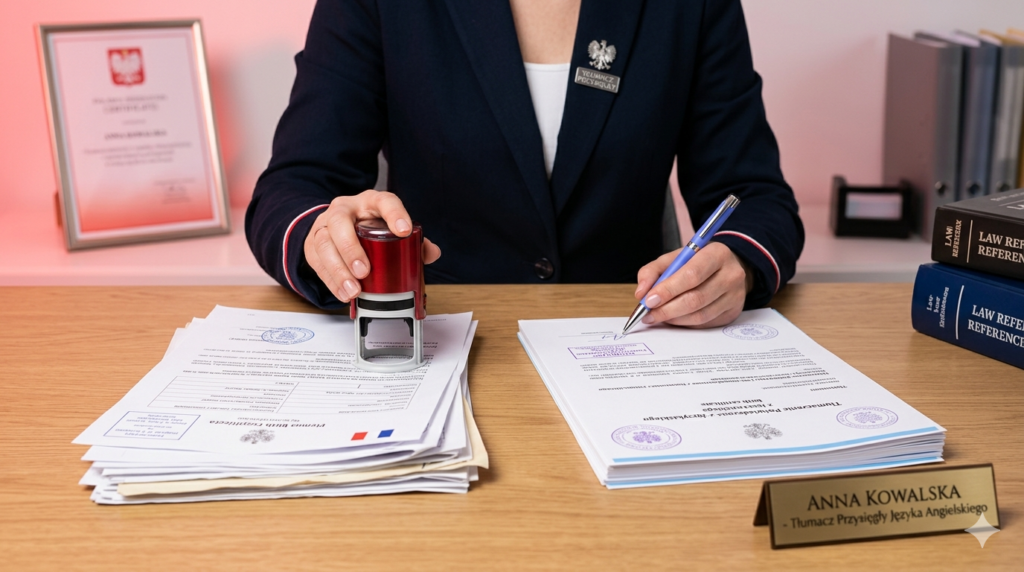
Unlike general translation, a sworn translation includes an official certification confirming that the translated content accurately reflects the original document. It is typically stamped and signed by the sworn translator, which gives it legal recognition.
In practical terms, this means that only sworn translations are accepted for official procedures in Poland. Regular translations, even if accurate, are not legally valid for administrative use.
This system exists to ensure consistency, accountability, and legal reliability in official documentation.
Who Needs This In Poland
Sworn translation services are commonly required in the following situations:
• Foreign workers submitting employment documents to Polish employers
• International students applying to universities or academic institutions
• Individuals applying for residence permits or visas
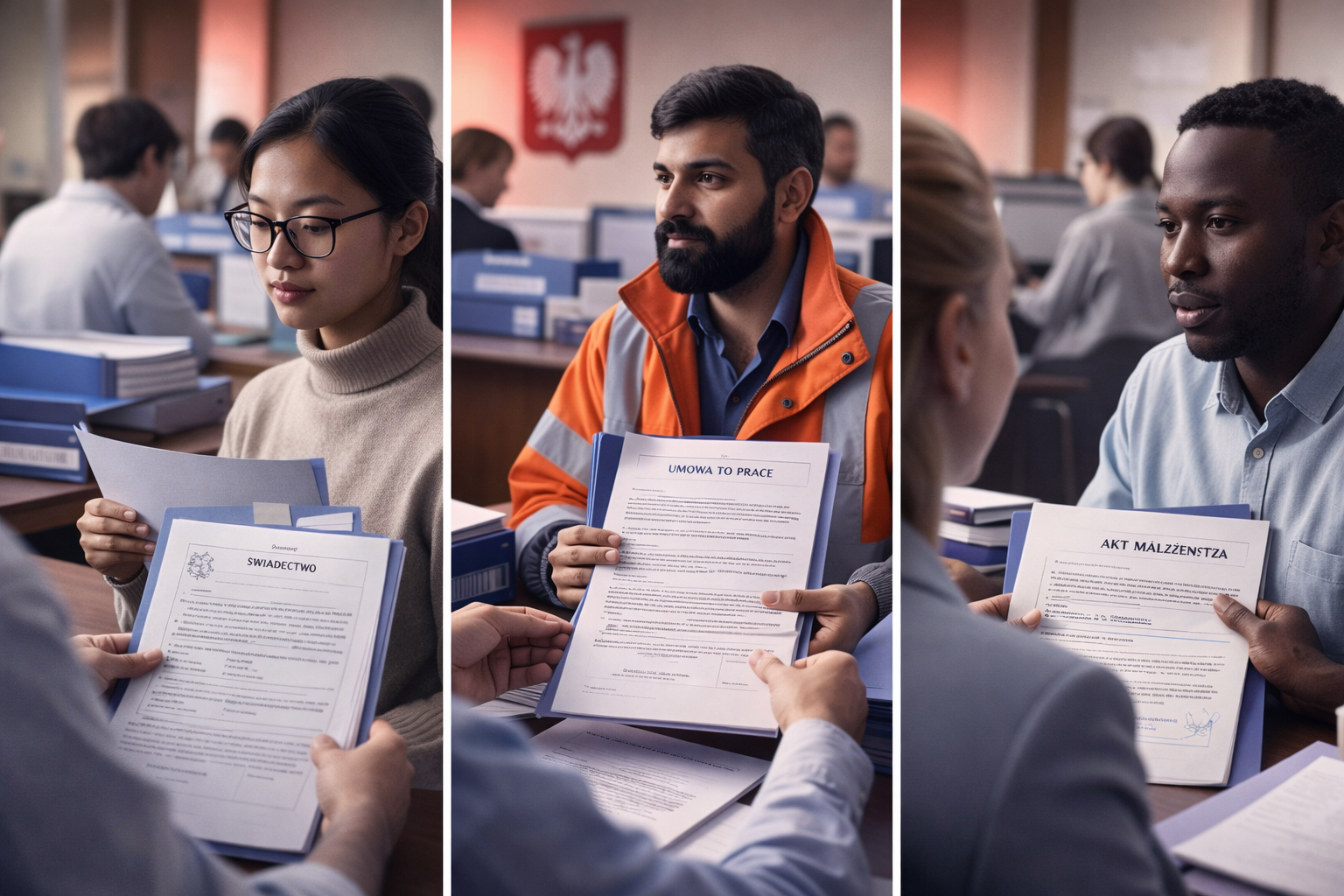
• Foreign nationals registering marriage, birth, or civil status documents
• Entrepreneurs registering companies or legal entities in Poland
• People involved in court proceedings or legal disputes
In each of these cases, Polish authorities require documents to be presented in Polish and certified by an authorized translator.
Even documents such as diplomas, birth certificates, marriage certificates, and police clearance certificates usually require sworn translation before acceptance.
Step By Step Process
The sworn translation process in Poland is structured and formal. While it may seem complex at first, it follows a clear sequence:
Step One Document Submission
The client provides original documents or certified copies that need translation.
Step Two
The sworn translator reviews the documents to assess complexity, terminology, and formatting requirements.
Step Three Translation
The document is translated into Polish while maintaining legal and structural accuracy.
Step Four Certification
The translator adds an official statement confirming accuracy. This includes a registered stamp and signature.
Step Five Delivery
The completed sworn translation is delivered in physical or certified electronic form depending on requirements.
This process ensures that the document can be legally used in Poland without further verification.
Required Documents
While requirements vary depending on the institution, commonly translated documents include:
• Birth certificates
• Marriage certificates
• Academic diplomas and transcripts
• Employment certificates
• Criminal record certificates
• Medical certificates when required for employment
• Court documents
• Company registration documents
In most cases, the original document or an officially certified copy is required before translation can begin.
Common Mistakes Foreigners Make
Many foreigners face delays not because they lack documents, but because of avoidable errors in preparation.
One of the most frequent mistakes is using general translation services instead of sworn translators. This leads to immediate rejection by authorities.
Using Incomplete Documents
Submitting documents without all required pages or missing official stamps can result in rejection or requests for resubmission.
Delaying Translation Until Last Minute
Administrative processes in Poland often have strict deadlines. Late translation can delay entire applications.
Assuming English Is Enough
Even when institutions understand English, official procedures typically require Polish language documentation.
Choosing Unverified Providers
Not all translation services in Poland are legally authorized to perform sworn translations.
Conclusion
For anyone living, working, or studying in Poland, sworn translation is not optional when dealing with official documents. It is a legal requirement designed to ensure accuracy and consistency in administrative processes.
Understanding when and why sworn translation is required helps avoid delays, rejections, and unnecessary complications in important applications such as residence permits, education, and employment
If you need sworn translation or certified document translation in Poland, professional assistance ensures your documents meet all legal requirements and are accepted without issues.
Sworn Translator Warsaw provides certified translation and interpretation services for a wide range of official documents used in Poland. Whether you are applying for residence, education, or legal procedures, accurate sworn translation helps ensure your process runs smoothly.
Frequ Asked Questions
What is the difference between regular translation and sworn translation?
Regular translation is for general understanding. Sworn translation is legally certified and accepted by Polish authorities for official use.
How long does sworn translation take in Poland?
Processing time depends on document type and length. Simple documents may take a few days while complex legal files take longer.
Are sworn translations valid across all institutions in Poland?
Yes. Sworn translations are recognized by courts, universities, government offices, and administrative institutions across Poland.
Contact us Call us+48 514 302 221 Monday – Friday
Email: Biuro@sworntranslatorwarsaw.pl
Officesul. Krucza 16/22 , Lokal- 41100-526 Warszawa