Impact of Translation Quality on Polish Visa and Residency Success
Introduction
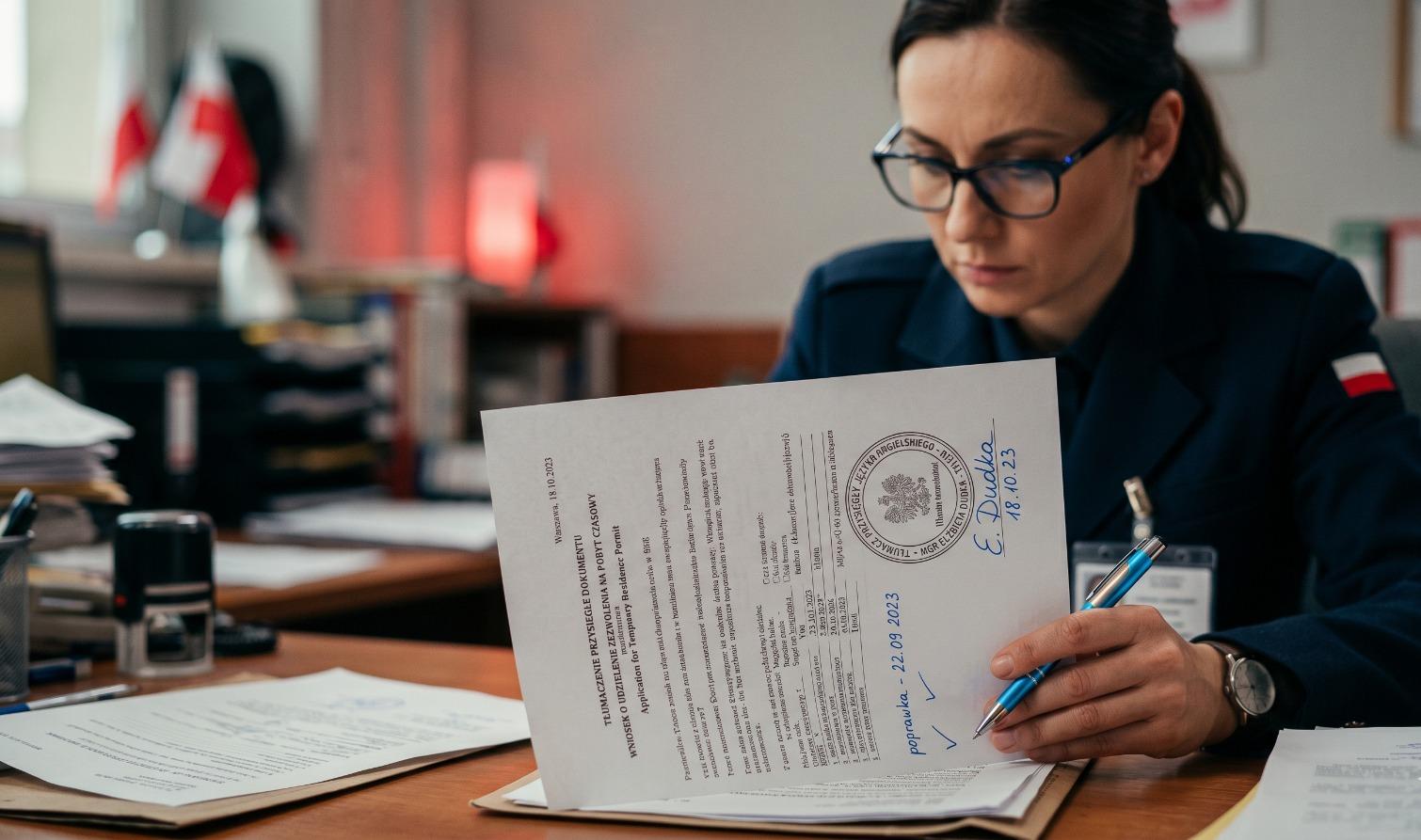
Navigating the administrative landscape in a foreign country is a daunting task. For many expatriates, international students, and foreign workers, the dream of living and working in Poland begins with a mountain of paperwork. Every document submitted to the Voivodeship Office, known as Urząd Wojewódzki, serves as a foundation for your legal stay. However, a single error in a can lead to significant delays, formal requests for corrections, or even an outright rejection of your residency application. The stakes are high because your future in Poland often depends on the accuracy of a few translated pages. This article explores why the quality of your documentation is not just a formality but a critical factor in your success.
What This Means
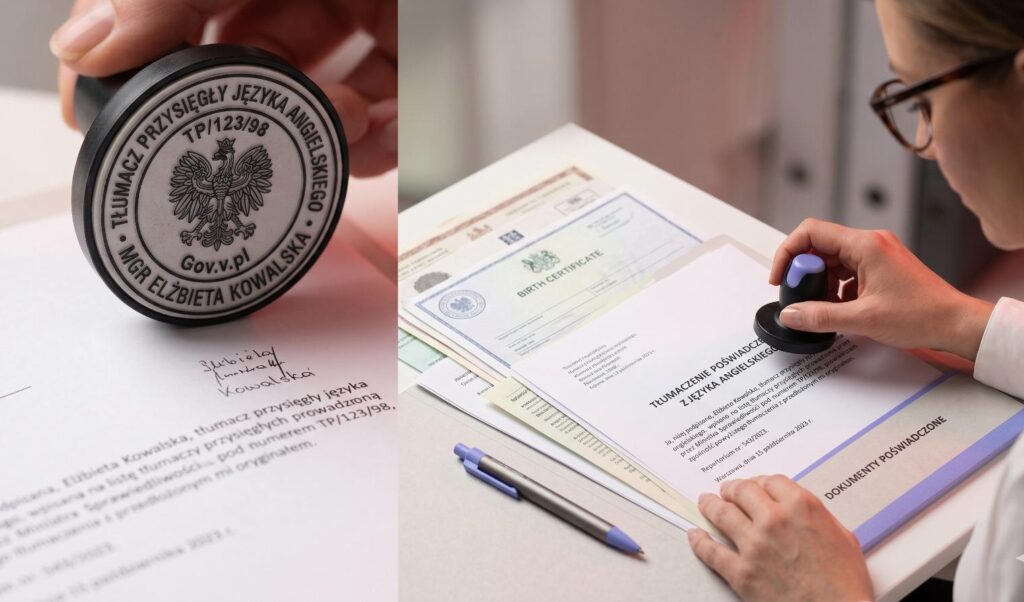
In the Polish legal system, a standard translation is often insufficient for official matters. When we speak about translation quality for visas and residency, we are specifically referring to sworn translation, or tłumaczenie przysięgłe. This is a special category of translation performed by a professional who has passed a rigorous state examination and is registered with the Ministry of Justice.
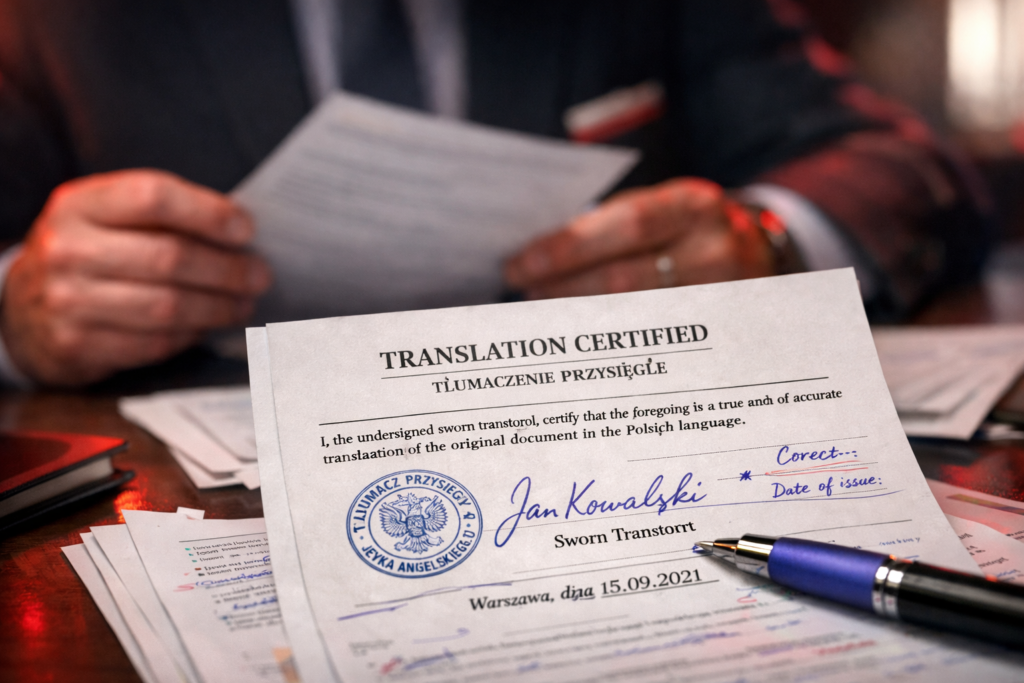
A sworn translation carries legal weight because the translator takes full responsibility for the accuracy of the content. They affix a physical or digital stamp that identifies them and confirms that the translated text is a true and faithful representation of the original document. High quality in this context means more than just correct grammar. It means using the precise legal terminology required by Polish officials and ensuring that every detail, from stamps to handwritten notes, is accurately reflected in the Polish version.
Who Needs This In Poland
If you are an international citizen interacting with Polish authorities, you will likely require these services at some point. The requirement for sworn translation applies to almost everyone who is not a Polish citizen.
Individuals in the following situations must prioritize high quality translation services:
- Foreign workers applying for a Single Work and Residence Permit.
- Students submitting high school diplomas or university transcripts for admission to Polish institutions.
- Spouses of Polish citizens registering foreign marriage certificates at the Civil Registry Office, or Urząd Stanu Cywilnego.
- Entrepreneurs opening a business or a branch of a foreign company in Poland.
- Parents registering the birth of a child born abroad to ensure the child receives proper documentation.
- People seeking permanent residency or long term European Union residency after living in Poland for several years.
Step By Step Process
The process of obtaining a sworn translation in Poland is structured to ensure that the final document is legally binding. Here is how it typically works:
Selection of a Registered Translator
You must ensure the person you hire is on the official list of sworn translators maintained by the Ministry of Justice. This ensures the document will be accepted by the Voivodeship Office or other government agencies.
Document Review and Quote
The translator examines your documents to determine the volume of work. Sworn translations are calculated based on a standard page of 1125 characters including spaces, as defined by Polish law.
The Translation Phase
The translator produces the Polish version of your document. This involves not only translating the text but also describing any seals, watermarks, or signatures present on the original.
Certification and Delivery
The translator signs the document and applies their official seal. Today, many offices also accept digital sworn translations signed with a qualified electronic signature, which can be sent via email.
Required Documents
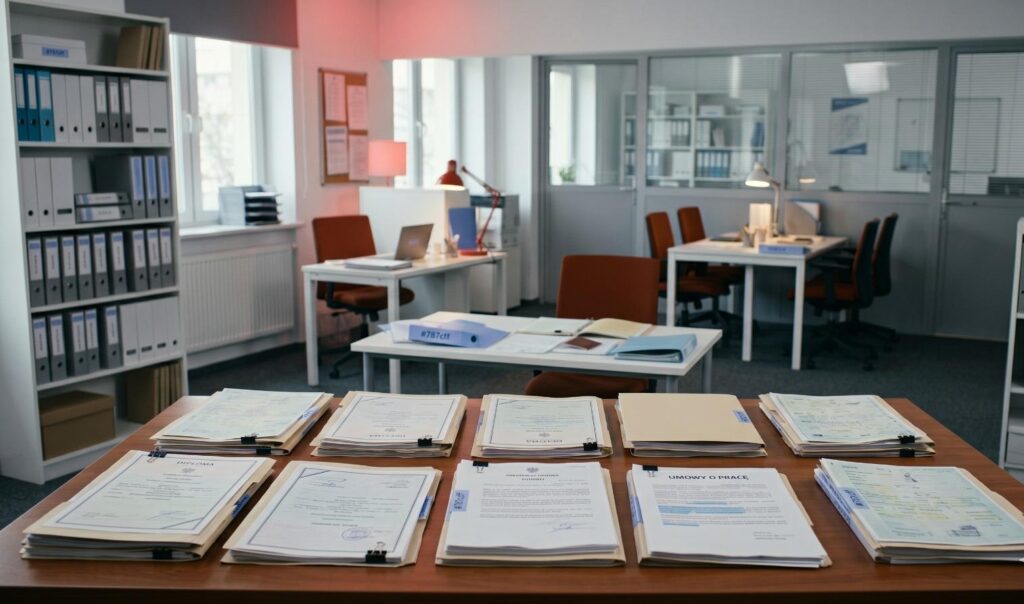
While the specific documents vary depending on your purpose, certain papers almost always require a sworn translation if they were issued in a language other than Polish:
- Birth certificates and marriage certificates.
- Criminal record clearances from your home country.
- Employment contracts or proofs of income.
- University degrees, diplomas, and academic supplements.
- Power of attorney documents.
- Medical certificates if they are part of a legal claim or insurance process.
Common Mistakes Foreigners Make
Many residency applications fail or stall because of easily avoidable mistakes in the translation process.
One frequent error is using a regular translation instead of a sworn one. Many foreigners assume that a fluent speaker or a standard translation agency can provide the necessary documents. However, the Voivodeship Office will strictly reject any document that lacks the official stamp of a Polish sworn translator.
Another mistake is submitting translations with missing information. A sworn translator must describe every element of a document. If a translator skips a small handwritten note on the back of a certificate, the official reviewing your file might consider the document incomplete.
Terminology errors are also common when using inexperienced translators. Legal terms in your home country might not have a direct equivalent in Poland. A high quality translation uses the specific terminology that aligns with the Polish Code of Administrative Procedure. Using the wrong term for a job title or a legal status can create confusion about your eligibility for a visa.
Finally, many people wait until the last minute. Bureaucracy moves slowly, and rushing a translation can lead to oversights. Ensuring your documents are prepared well in advance is essential for a stress free application.
Conclusion
The quality of your translated documents is the silent partner in your residency application. While it may seem like a small detail, it is often the factor that determines whether your file moves to the next stage or gets stuck in a cycle of administrative corrections. By choosing professional, sworn translations, you demonstrate respect for the Polish legal process and ensure that your story is told accurately to the officials who hold the power to grant your stay. Clarity, accuracy, and legal validity are the keys to a successful transition to life in Poland.
If you are preparing your residency or visa application, do not leave your future to chance. Sworn Translator Warsaw provides precise, legally recognized translations for all your official needs. Our team understands the nuances of Polish bureaucracy and is ready to help you secure your status in Poland. Contact Sworn Translator Warsaw today for a professional consultation and ensure your documentation is perfect from the very start.
Frequently Asked Questions
Can I translate the documents myself if I speak Polish?
No. Even if you are fluent in Polish, you cannot certify your own documents for official use. Only a translator registered with the Polish Ministry of Justice has the legal authority to provide sworn translations that are recognized by government offices.
Does a sworn translation have an expiration date?
The translation itself does not expire, but the underlying document might. For example, a criminal record check is usually only valid for a few months. If the original document expires, you will need to get a new one and have it translated again.
Can I use a translation made in my home country?
Usually, Polish authorities prefer translations made by a translator registered in Poland. If you have a translation from abroad, it may need to be legalized or verified, which often takes more time and money than simply getting a sworn translation in Warsaw.
Contact us Call us+48 514 302 221 Monday – Friday
Email: Biuro@sworntranslatorwarsaw.pl
Officesul. Krucza 16/22 , Lokal- 41100-526 Warszawa