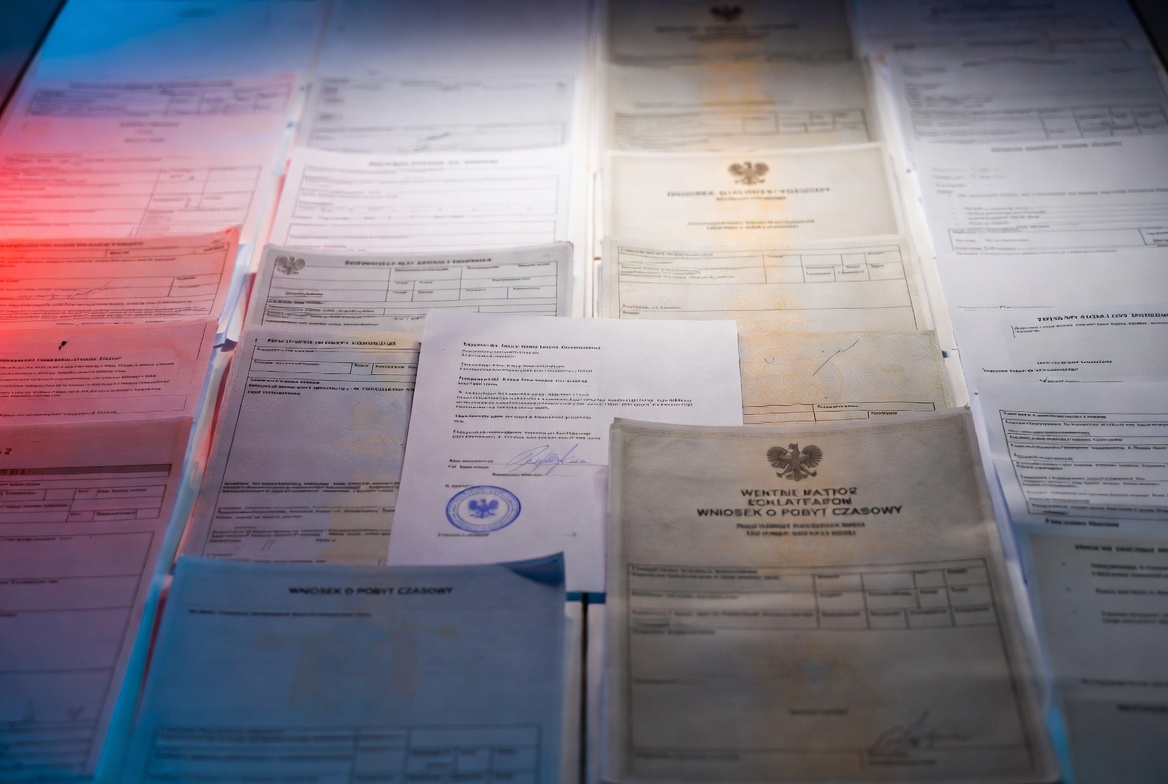
Work Permit vs Residence Permit in Poland: Document Differences Explained
Introduction
If you have recently moved to Poland, or you are preparing to do so, you have probably come across two terms that seem similar but are actually very different: the work permit and the residence permit. Many foreigners use these terms interchangeably, and that is where the confusion begins.
Getting the wrong document, submitting an incomplete application, or missing a sworn translation of a required document can delay your legal status in Poland by months. In a country where bureaucratic processes are conducted almost entirely in Polish, and where government offices have strict documentation requirements, even a small error can send your application back to the beginning.
This article is written for foreign workers, international students, expatriates, and anyone relocating to Poland who needs to understand:
What a work permit is and what a residence permit is. How they differ and how they overlap. Which documents require sworn translation into Polish. What mistakes to avoid during the application process.
By the end, you will have a clear picture of what you need, in what order, and how to make sure your documents meet the legal requirements of Polish authorities.
What This Means: Understanding the Core Difference
The Work Permit

A work permit in Poland is an administrative decision that authorizes a specific foreigner to perform paid work for a specific employer, under specific conditions. It is not a document that allows you to live in Poland. It only tells the Polish authorities: this person is legally allowed to work here, for this employer, in this role.
Work permits in Poland are divided into several types. The Type A work permit is for foreigners employed under a contract with a company registered in Poland. The Type B work permit applies to foreigners serving as members of a management board of a Polish company or handling its affairs. Type C covers employees of a foreign company posted to a Polish branch for more than 30 days per year. Types D and E cover foreigners posted to Poland for other specific purposes.
It is important to understand that a work permit is employer-specific and job-specific. If you change your employer, you generally need a new permit. The permit does not follow you; it is tied to the employment relationship.
Standard work permits are valid for up to 3 years, or up to 5 years for foreigners serving on a management board of a legal entity with more than 25 employees. The employer in Poland must apply for the work permit on behalf of the foreign employee, not the worker themselves.
The Residence Permit
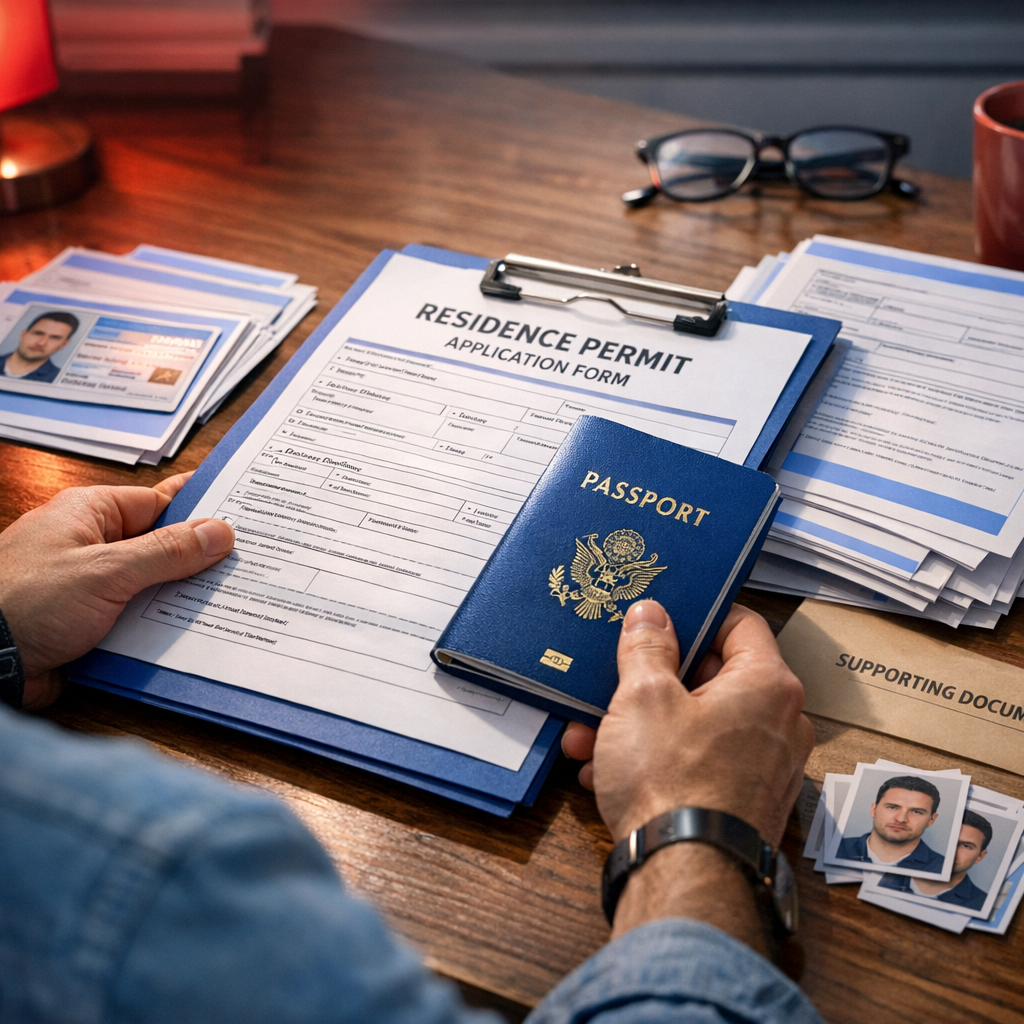
A residence permit, known in Polish as the karta pobytu (residence card), or officially referred to as a Temporary Residence Permit (TRP), is what gives you the legal right to stay and live in Poland for more than 90 days. It is issued by the voivodeship office responsible for the area where you live, and foreign nationals from non-EU countries who wish to extend their stay beyond their visa or visa-free regime must apply for this permit.
A residence permit is not automatically linked to employment. It can be granted for a variety of purposes including employment, education, conducting business activities, family reunification, scientific research, and special circumstances. Each type of temporary residence permit grants different rights concerning employment and self-employment.
The temporary residence permit is granted for a maximum period of two years and, upon expiration, the holder can renew it. The applicant must provide documents attesting that they have a place to live in Poland, are or will be employed, and have sufficient financial means to cover the costs of living.
The Combined Permit: When Both Are Covered in One Document

There is a category that causes the most confusion: the Temporary Residence and Work Permit, sometimes called a single permit or combined permit (zezwolenie na pobyt czasowy i pracę). This is required for foreigners employed by a specific employer in Poland and is issued as a single administrative decision by the voivodeship office, covering both the right to reside and the right to work.
This combined permit has become increasingly common and is a more streamlined option for many foreign workers. However, it is still tied to one specific employer. If you leave that employer, the work authorization component of your permit may no longer be valid, and you may need to apply for a new one.
Who Needs This in Poland
Foreign Workers from Outside the European Union
Citizens of non-EU and non-EEA countries who have accepted a job offer in Poland must, in most cases, obtain both authorization to work and legal status to reside. A new law regulating the employment of foreign workers in Poland came into force on 1 June 2025, replacing previous legislation that had been in place for over 20 years. While it does not overhaul the employment model, it introduces important changes that employers must follow in order to employ foreign workers legally.
If the employment contract is in a foreign language, a sworn Polish translation must be obtained, unless a bilingual version is used. This applies from the moment the contract is submitted to the official online portal before the employee begins work.
International Students
Students enrolled at Polish universities can apply for a temporary residence permit for the purpose of study. If they also wish to work, the rules vary depending on their nationality and situation. Educational documents submitted to Polish institutions must include certified translations done by a Polish sworn translator entered into the list of sworn translators maintained by the Minister of Justice.
Expatriates and Relocated Employees
If you are being transferred to Poland by a multinational company, your employer typically initiates the work permit application on your behalf. For specialized permits like the EU Blue Card, additional documents such as higher education diplomas and proof of high earnings are required. Personal documents you bring from your home country such as your birth certificate, marriage certificate, or proof of address will need to be translated by a sworn translator before they are accepted by Polish authorities.
Ukrainian Nationals Under Temporary Protection
As of 2026, most Ukrainians who arrived in 2022 have transitioned to the special temporary residence permit (CUKR), which is valid for 3 years. For those transitioning to standard employment and residency procedures, the same document requirements apply as for other third-country nationals, including sworn translation of all
Family Members of Foreigners Already in Poland
A temporary residence permit for family reunification is available for spouses and children of foreigners legally residing in Poland, as well as for foreign spouses and dependents of Polish nationals. All personal documents issued in a language other than Polish must be accompanied by sworn translations before they can be accepted by the voivodeship office.
Step by Step Process
Step 1: Determine Which Permit You Need
Before anything else, identify whether you need a standalone work permit, a standalone residence permit, or a combined residence and work permit. This depends on your nationality, your purpose of stay, and your employment situation. Your employer or a qualified legal advisor can help clarify this before you begin gathering documents.
Step 2: The Employer Applies for the Work Permit
For a standard Type A work permit, your Polish employer submits the application to the voivodeship office. Employers must submit a copy of the employment contract via an official online portal before the foreign worker starts work. If the contract is in a foreign language, a sworn Polish translation must be obtained unless a bilingual version is used.
Step 3: You Gather Your Personal Documents
While the employer handles the work permit side, you are responsible for gathering your personal documents. These typically include your passport, birth certificate, marriage certificate if applicable, proof of accommodation in Poland, and potentially educational or professional qualification documents. Documents in a foreign language, other than the travel document itself, must be submitted with a sworn translation into Polish.
Step 4: Submit the Residence Permit Application in Person
Foreigners must apply for a temporary residence permit at the voivodeship office responsible for their place of residence. The application must be submitted while the applicant’s stay in Poland is still legal. In most cases you cannot submit this application online and must appear in person with all required originals and their sworn translations.
Step 5: Wait for the Stamp in Your Passport
After you submit your application, the voivodeship office will typically stamp your passport to confirm your stay remains legal while the decision is being processed. This stamp is important and protects you from being in an irregular legal status during the waiting period.
Step 6: Collect Your Residence Card
Once the decision is issued, you will be notified to collect your residence card in person at the voivodeship office. This physical card is your proof of legal residence in Poland.
Processing times for Polish work permits and related visas can vary significantly by region, season, and the specific permit type. Generally, a temporary residence or work permit takes around 2 to 4 months after a complete document submission. Submitting a complete application with all required sworn translations from the start significantly reduces the risk of delays.
Required Documents
The exact list depends on the type of permit and your personal situation. Below is a general overview of the most commonly required documents and when sworn translation applies.
For a Work Permit Application (Type A, submitted by the employer):
Completed application form available on the voivodeship office website. A copy of all completed pages of the foreigner’s valid passport. A document confirming the employer’s business registration. A description of the role and intended employment conditions. Proof of the foreigner’s accommodation in Poland. All documents not issued in Polish must be translated into Polish by a sworn translator.
For a Temporary Residence Permit Application (submitted by the foreigner):
Completed residence permit application form. Valid passport in original and copy. Passport-sized photographs. Proof of legal entry into Poland. Proof of accommodation such as a rental agreement or property deed. Proof of sufficient financial means to support yourself during your stay. For employment-based permits, a copy of the work permit or employer declaration. For study-based permits, a certificate of enrollment from the university. For family-based permits, a marriage certificate, birth certificate, or other proof of family ties.
Documents drawn up in a must be presented together with a sworn translation into Polish. The register of sworn translators is kept by the Ministry of Justice.
On Apostilles
For some documents issued outside Poland, you may first need to obtain an apostille, which is a certificate of authenticity used between countries that have signed the Hague Convention. For countries that are parties to this convention, like Poland, an apostille replaces the need for full legalization of the document. The apostille is obtained in the country where the document was issued, and after that the document is translated by a sworn translator in Poland.
Common Mistakes Foreigners Make
Confusing a Work Permit with the Right to Reside
Many foreigners arrive in Poland with a work permit and assume this means they are legal in the country. A work permit alone does not give you the right to reside in Poland. You still need a valid residence basis such as a visa, a residence permit, or another legal authorization. Failing to understand this distinction leads to overstays and irregular legal status.
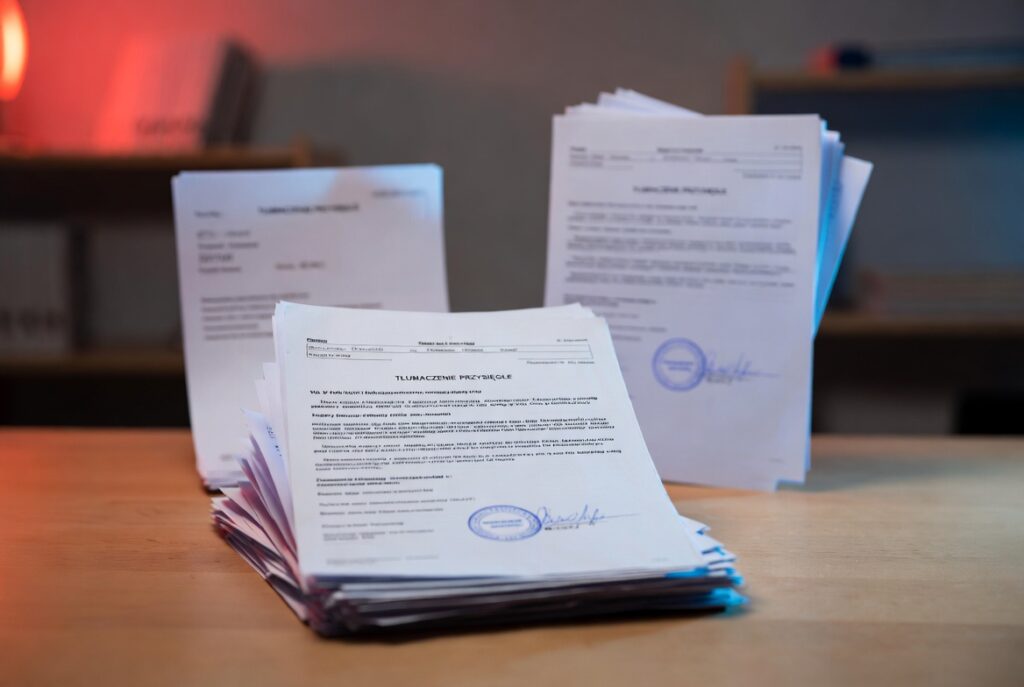
Poland’s system is very specific about what counts as a valid translation. A certified or notarized translation made in the United States, United Kingdom, Canada, Australia, or any other country will not be accepted. The translation must be performed by a translator who has been vetted, examined, and registered by the Polish Ministry of Justice as a sworn translator. An unofficial translation will result in your application being rejected or suspended, and you will need to resubmit.
Waiting Too Long to Apply
The application must be submitted while the applicant’s stay in Poland is still legal. If your visa or previous permit expires before you submit your new application, you risk entering an irregular legal status. Given voivodeship office waiting times for appointments, most advisors recommend beginning the process at least 3 months before your current status expires.
Submitting Incomplete Document Packages
Polish voivodeship offices are strict about completeness. If a document is missing or a sworn translation is absent or incorrect, the office will send you a formal request for supplementary materials. Even a minor inaccuracy in a surname, date, place of birth, or the name of an issuing authority can cause problems: the office may request corrections, and the institution may return your document package for revision. Submitting a complete, correctly translated set of documents from the beginning is the most effective way to avoid delays.
Not Having Documents Translated Consistently
If documents form a chain, where one document supports another, and something is rendered differently in one translation, the office may request explanations or additional documents. It is important to ensure consistency in names, dates, and personal details across all translations submitted together.
Changing Employers Without Updating Your Permit
A work permit is tied to a specific employer. If you change jobs without obtaining a new or updated permit, you may be working illegally even if your residence card is still valid. Labor and border authorities can now conduct unannounced inspections, and fines for violations can now reach PLN 10,000, up from PLN 2,000. Always verify whether a job change requires you to update your work authorization before making the move.
Conclusion
The difference between a work permit and a residence permit in Poland is not just a matter of terminology. These are two legally distinct documents that serve different purposes, involve different application procedures, and are issued by different authorities.
A work permit authorizes you to be employed. A residence permit authorizes you to live in Poland. In many cases you will need elements of both, either through separate documents or through the combined single permit.
Throughout this entire process, Polish law requires that any foreign-language document submitted to a government office be accompanied by a sworn translation into Polish. A sworn translation is not just a translation. It is a legally significant document that must meet the requirements of Polish institutions, certified with the translator’s official stamp and signature. Using an unregistered translator or relying on a translation produced abroad will result in your application being rejected.
The best way to protect yourself from delays and rejections is to prepare thoroughly, understand what type of permit you need, gather all documents well in advance, and ensure that every required translation is carried out by a properly registered sworn translator in Poland.
How Sworn Translator Warsaw Can Help
Navigating Polish immigration paperwork is genuinely complex, especially when you are doing it in a language and a legal system that are unfamiliar to you. Sworn Translator Warsaw works specifically with foreigners going through exactly these processes: residence permit applications, work permit documentation, employment contracts, educational certificates, marriage and birth certificates, and more.
Every translator at Sworn Translator Warsaw is officially registered with the Polish Ministry of Justice, which means every translation carries the legal certification required by voivodeship offices, courts, and other Polish institutions. You will not need to resubmit or obtain a second translation.
If you are preparing a residence permit application, applying for a combined permit, supporting your employer’s work permit application, or dealing with any official process that requires Polish sworn translation, contact Sworn Translator Warsaw for professional assistance. The team can help you identify which documents require sworn translation, advise on apostille requirements, and deliver legally valid translations that Polish authorities will accept.
Reach out before your appointment at the voivodeship office. Getting your translations right the first time saves time, avoids unnecessary stress, and keeps your legal status in Poland secure.
Frequently Asked Questions
Is a sworn translation the same as a certified translation?
No, and this distinction matters greatly in Poland. In the United States or the United Kingdom there is no direct equivalent to the Polish sworn translation. Americans are used to certified translations where any bilingual person can translate a document and sign a statement saying the translation is accurate. In Poland, the situation is fundamentally different: translations of official documents must be performed by a translator who has been vetted, examined, and registered by the Polish Ministry of Justice. A certified translation produced outside Poland will not be accepted by Polish government offices.
Can I work in Poland on a tourist visa while waiting for my work permit?
No. Working in Poland without valid work authorization is illegal regardless of what type of visa you currently hold. Foreigners with visas issued for purposes such as visiting family, education other than university, or medical treatment are now barred from working in Poland. Working illegally exposes both you and your employer to significant legal consequences including fines and the possible refusal of future permits.
What happens if I change my employer while my residence permit is still valid?
If your combined permit specifies a particular employer, changing employers will generally affect the validity of your work authorization. You may need to apply for an updated or entirely new permit. The residence component does not automatically expire if you change jobs, but you should seek legal advice before making any changes to your employment to avoid unintentionally violating your permit conditions.
Do EU citizens need a work permit or residence permit in Poland?
Citizens of European Union and European Economic Area countries, as well as citizens of Switzerland, have the right to live and work in Poland without a work permit. They may register their residence if they stay longer than 3 months, and they are entitled to apply for a permanent residence certificate after 5 years of continuous legal residence in Poland.
Which documents typically require sworn translation for a residence permit application?
If you are applying for a temporary residence permit or any type of visa at a Polish consulate or voivodeship office, your supporting documents including employment contracts, diplomas, marriage certificates, and bank statements generally need sworn translations into Polish.
If you are applying for a temporary residence permit or any type of visa at a Polish consulate or voivodeship office, your supporting documents including employment contracts, diplomas, marriage certificates, and bank statements generally need sworn translations into Polish.
Contact us Call us+48 514 302 221 Monday – Friday
Email: Biuro@sworntranslatorwarsaw.pl
Officesul. Krucza 16/22 , Lokal- 41100-526 Warszawa